
The statute of limitations in criminal cases refers to the legal time limit the government has to file criminal charges after an alleged offense occurs. Once that period expires, prosecutors are generally barred from bringing charges, even if evidence later becomes available. The purpose of this rule is to promote fairness, reliability, and timely enforcement of the law. Over time, evidence can disappear, memories fade, witnesses move away, and physical records may be lost or destroyed. Courts recognize that defending against very old accusations becomes increasingly difficult as proof becomes less reliable.
In the United States, these time limits are created by statute, meaning they are written into federal or state law. The exact timeframe depends on several factors, including the severity of the offense, whether the case falls under federal or state jurisdiction, and whether specific events paused or extended the deadline. Understanding the statute of limitations criminal cases is important not only for defendants but also for landlords, tenants, and property managers who may encounter criminal allegations connected to rental housing, fraud claims, or property-related disputes.
This legal framework balances two competing interests. On one side, the government has an interest in prosecuting wrongdoing. On the other, individuals have a right to closure and protection from indefinite legal exposure. The law attempts to strike that balance by setting clear timelines that both prosecutors and the public must follow.
In real cases, this balance becomes visible when prosecutors decline to file charges simply because the legal deadline has passed—even when suspicions remain. For defendants, that deadline provides closure. For victims, it highlights the importance of reporting suspected criminal conduct as early as possible.
When Does the Statute of Limitations Start Running?

In most situations, the clock begins running when the crime is completed. This means the date when all elements of the offense have occurred. However, determining when the clock starts is not always straightforward, especially in cases involving fraud, financial misconduct, or ongoing activity.
For example, in housing-related criminal matters, such as rental fraud or unlawful security deposit schemes, the alleged offense may continue over time. In those cases, the limitation period may begin when the conduct ends rather than when it first began. This distinction can significantly affect whether charges are still legally allowed.
The question often asked — when does the statute of limitations start — depends on how the offense is defined under the law. Courts frequently analyze whether the crime was a single act or part of a continuing course of conduct. In fraud cases affecting tenants or landlords, the discovery of the wrongdoing may also influence timing under certain statutes.
For example, if a landlord allegedly withholds multiple security deposits over several years, prosecutors must determine whether each act starts its own clock or whether the conduct qualifies as a continuing offense. That distinction can change the entire case timeline.
Federal law sometimes applies a “discovery rule,” meaning the limitation period starts when the offense reasonably could have been discovered. Many states use similar rules in financial or deception-based crimes. This approach recognizes that some offenses are intentionally concealed and may not be immediately detectable.
How Long After a Crime Can You Be Charged in the United States?
The answer depends on the offense and jurisdiction. The commonly searched question reflected in how long after a crime can you be charged does not have a single nationwide answer. Instead, timelines vary based on the classification of the offense and whether the case is prosecuted federally or at the state level.
In general terms:
- Minor offenses often carry limitation periods ranging from one to three years.
- Many non-violent felonies allow prosecution within three to six years.
- Serious violent crimes may have longer periods or none at all.
These timelines reflect policy judgments about the seriousness of different offenses. Crimes that pose ongoing risks to public safety typically allow longer prosecution windows. By contrast, minor offenses are expected to be investigated and charged quickly.
Housing-related criminal conduct sometimes intersects with these timelines. For instance, allegations involving forged lease agreements, fraudulent rental applications, or misuse of escrow funds may fall under fraud statutes with specific limitation periods. Both landlords and tenants benefit from understanding that waiting too long to report suspected criminal activity may affect whether charges are legally possible.
What Is the Difference Between Federal and State Criminal Limitation Periods?
The criminal statute of limitations USA operates through two separate systems: federal law and state law. Each has independent rules, deadlines, and enforcement authority.
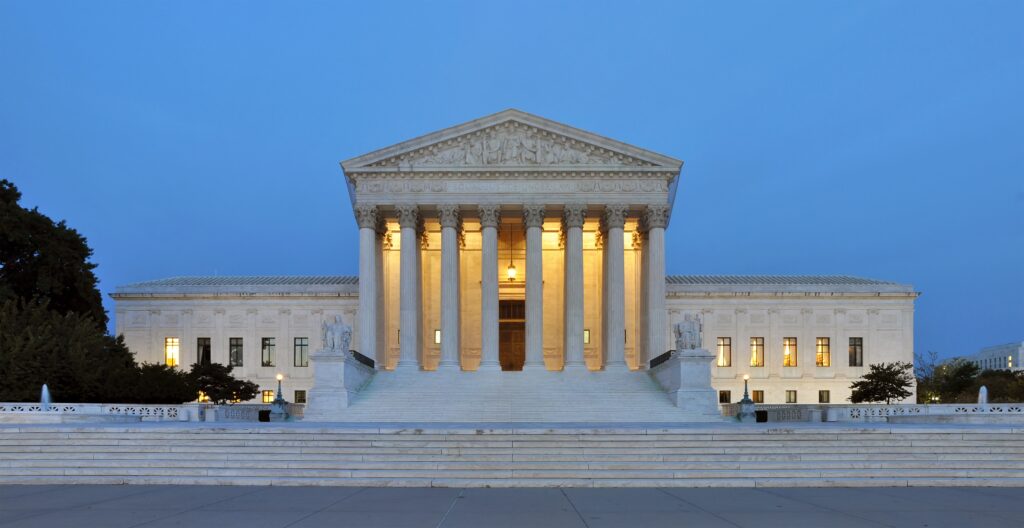
Federal criminal limitation periods are primarily governed by 18 U.S.C. § 3282 for non-capital offenses. These often include interstate fraud, federal housing program violations, mail or wire fraud connected to rental schemes, and certain financial crimes affecting federally insured institutions. Under federal law, many non-capital offenses carry a five-year limitation period, although exceptions exist.
Courts strictly enforce limitation deadlines, and appellate courts routinely dismiss cases filed even slightly beyond statutory time limits.
In practice, federal prosecutors carefully review limitation deadlines before presenting charges to a grand jury, because filing even one day late can permanently bar prosecution.
State limitation periods apply to crimes prosecuted by state or local authorities. Because criminal law is largely state-based, timelines vary significantly across jurisdictions. A fraud-related offense connected to rental property management might carry a four-year limitation period in one state and six years in another.
This distinction becomes especially important when conduct crosses state lines or involves federal housing funds. A landlord operating in multiple states or receiving federal subsidies may face different limitation rules depending on how the case is charged.
Understanding the difference between federal and state authority helps explain why some cases proceed even when others appear time-barred. The applicable limitation period depends on the legal basis of the charge rather than where the conduct occurred alone.
What Is the Felony Statute of Limitations Compared to Misdemeanors?
The felony statute of limitations is generally longer than the misdemeanor statute of limitations because felonies involve more serious conduct and potential harm. Legislatures recognize that complex investigations, especially those involving financial or property-related crimes, may require additional time.
Felony limitation periods commonly range from three to ten years, depending on the offense. Crimes involving violence, large-scale fraud, or abuse of vulnerable individuals may have extended timelines or no limitation period at all. In contrast, misdemeanors often must be charged within one or two years.
In rental and housing contexts, criminal allegations may fall into either category. For example, minor property damage disputes might be treated as misdemeanors, while large-scale rental fraud involving multiple victims could rise to felony charges. The classification determines not only penalties but also how long prosecutors have to bring the case.
This difference matters for compliance as well. Property owners and management companies accused of unlawful conduct may mistakenly assume that time has expired when, in reality, a felony classification allows prosecution years later.
Are There Crimes With No Statute of Limitations?
Yes. The question often asked — are there crimes with no statute of limitations — is particularly important in serious criminal law discussions. Certain offenses are considered so severe that lawmakers have removed time limits entirely.
Common examples include murder and, in many jurisdictions, certain sexual offenses involving minors. The rationale is that the seriousness of the harm outweighs concerns about delayed prosecution. Advances in forensic science, such as DNA testing, have also influenced legislative decisions to eliminate limitation periods for some violent crimes.
While housing-related offenses rarely fall into this category, understanding the principle helps explain why limitation periods vary so widely. The absence of a limitation period signals a strong public policy interest in allowing prosecution regardless of how much time has passed.
What Is Tolling and How Can a Limitation Period Pause?
The concept addressed by what is tolling in statute of limitations refers to situations where the legal clock temporarily stops running. Tolling prevents defendants from benefiting from delays caused by specific circumstances recognized by law.
Courts often apply tolling when a suspect intentionally avoids detection or relocates to prevent arrest. In such cases, the limitation clock may pause until the individual returns to the jurisdiction or is located by authorities.
Common tolling situations include:
- The accused leaving the state or hiding to avoid prosecution
- The victim being a minor or legally incapacitated
- Ongoing concealment of a crime, particularly in fraud cases
In housing-related criminal matters, tolling may apply when financial misconduct is intentionally hidden through false records or misleading accounting practices. If the wrongdoing could not reasonably be discovered earlier, courts may allow additional time for prosecution.
Tolling rules vary significantly between states, and misunderstanding them is a frequent source of confusion. Many people assume that time runs continuously, when in fact certain events may legally pause the countdown.
Can the Statute of Limitations Be Extended?
The question reflected in can statute of limitations be extended is closely related to tolling but involves different legal mechanisms. Extensions may occur when legislatures change limitation laws or when specific statutory exceptions apply.
For example, some states have extended limitation periods for financial crimes discovered years after the offense occurred. Federal law has also created extensions for crimes involving terrorism or certain financial fraud schemes. However, extensions generally cannot revive cases that were already time-barred unless the legislature explicitly allows it.
In practice, this means both landlords and tenants should avoid assuming that time alone eliminates legal risk. Investigations may remain viable longer than expected if statutory extensions or tolling provisions apply.
How Does the Statute of Limitations Apply to Financial and Housing-Related Criminal Allegations?
Although commonly associated with violent crimes, the statute of limitations criminal cases frequently arises in financial and housing contexts. Rental housing disputes sometimes evolve into criminal investigations when conduct involves fraud, theft, or intentional misrepresentation.
Examples may include falsifying rental applications, misusing tenant security deposits, or operating fraudulent rental listings. These situations often involve delayed discovery, especially when multiple tenants are affected over time. Because financial crimes may remain hidden, limitation periods can begin later than expected under discovery-based rules.
This becomes especially relevant when tenants or landlords attempt to report conduct years after it occurred. Law enforcement must determine whether the limitation period has expired before filing charges. Even when civil remedies remain available, criminal prosecution may no longer be possible if the statutory deadline has passed.
Understanding these timelines also encourages timely reporting and proper documentation. Maintaining records of payments, leases, communications, and financial transactions can help clarify when alleged misconduct occurred and whether prosecution remains legally viable.
How This Works in Real Life
In practice, this usually means that timing plays a central role in whether a criminal case moves forward. A tenant who discovers years later that a landlord diverted escrow funds may still trigger an investigation if the discovery rule applies. Conversely, a landlord who delays reporting suspected fraud by a tenant may find that the limitation period has expired before authorities can act.
This becomes especially important when disputes begin as civil disagreements and later reveal potential criminal conduct. Many individuals assume that ongoing communication or negotiation stops the legal clock, but that is not always true. Unless a tolling rule applies, time continues running even while parties attempt to resolve disputes privately.
Real-world cases consistently show why documentation matters. Accurate timelines, written agreements, and financial records help determine when the alleged offense occurred and whether prosecution is still permitted. Without clear records, establishing the start of the limitation period can become difficult for both investigators and courts.
Example: If a property manager allegedly falsified maintenance invoices in 2018 but the conduct was not discovered until 2022, prosecutors must determine whether the limitation period began in 2018 or when the fraud reasonably could have been discovered. That distinction alone may decide whether charges are legally allowed.
Common Mistakes People Make About Criminal Limitation Periods
One common mistake is assuming that the limitation period starts when a person realizes something was wrong. In many cases, the clock begins when the crime occurred, not when it was discovered. This misunderstanding can lead to delayed reporting and lost legal options.
Another frequent error is believing that moving to another state automatically ends exposure. In reality, leaving the jurisdiction may toll the limitation period, meaning time stops running rather than expiring.
A third mistake involves confusing civil and criminal deadlines. A civil lawsuit for damages may still be possible even when the criminal limitation period has expired. Landlords and tenants often misunderstand this distinction, leading to confusion about available remedies.
It is not uncommon for individuals to learn that a civil lawsuit remains viable while criminal prosecution is legally barred due to expiration of the limitation period.
These misunderstandings can affect legal rights because timing determines whether prosecution is legally allowed. Accurate knowledge of limitation rules helps individuals act promptly and avoid relying on incorrect assumptions.
How State-by-State Differences Affect Enforcement and Timing
State law plays a significant role in shaping how limitation periods operate across the country. While general patterns exist, the statute of limitations by crime varies considerably depending on jurisdiction. Some states impose longer limitation periods for financial crimes, while others prioritize faster prosecution of lower-level offenses.
For example, states like California and New York often provide extended limitation periods for complex financial fraud, recognizing that investigations may take years to uncover wrongdoing. Other states may impose shorter deadlines for similar conduct, requiring faster action by prosecutors.
Differences also exist in how states apply discovery rules and tolling provisions. A housing-related fraud case that remains prosecutable in one state might be time-barred in another due to different statutory language. These variations make it important for landlords and tenants operating in multiple states to understand local requirements rather than relying on general assumptions about national rules.
Enforcement practices also differ. Some jurisdictions aggressively pursue older financial cases when new evidence emerges, while others prioritize recent offenses due to resource limitations. These practical realities influence how limitation laws function beyond their written language.
What Compliance Responsibilities Do Landlords and Property Businesses Have?
Landlords and property managers are not only potential complainants in criminal matters but may also face scrutiny if business practices cross legal boundaries. Compliance obligations include maintaining accurate financial records, handling deposits according to state law, and avoiding misleading representations in advertising or leasing.
When criminal allegations arise, the statute of limitations in criminal cases determines how long exposure may exist. Businesses that maintain transparent practices and documentation reduce the risk of disputes escalating into criminal investigations years later. Clear accounting and consistent record retention policies also help demonstrate lawful conduct if questions arise after significant time has passed.
Businesses that retain records beyond minimum statutory periods often place themselves in a stronger defensive position if allegations surface years later.
From a consumer protection perspective, limitation periods encourage timely accountability while preventing indefinite uncertainty for property owners. Both sides benefit from understanding that criminal liability is tied not only to conduct but also to timing.
Frequently Asked Questions About Criminal Limitation Periods
Does the limitation period apply automatically, or must it be raised in court?
The limitation period is typically raised as a legal defense. Courts do not always apply it automatically unless the issue is properly presented during proceedings.
Can a criminal case continue if charges were filed before the deadline?
Yes. If charges are filed within the applicable limitation period, the case may proceed even if the trial occurs later.
Do limitation periods differ for financial crimes involving rental properties?
Yes. Financial and fraud-related offenses often have longer limitation periods, especially when discovery occurs years later.
Does moving to another state prevent prosecution after time passes?
No. Leaving the jurisdiction may pause the limitation period under tolling rules rather than ending it.
Are federal limitation periods usually longer than state ones?
Not always. Federal law commonly uses a five-year period for many offenses, but state laws sometimes allow longer timelines depending on the crime.
Can new evidence reopen a case after the limitation period expires?
Generally no. Once the limitation period expires, prosecution is usually barred unless a statutory exception applies.
Do limitation periods apply to attempts as well as completed crimes?
Often yes. Many statutes apply the same timeline to attempts and completed offenses, though details vary by jurisdiction.
Is the limitation period the same for all felonies?
No. The felony statute of limitations varies widely depending on the seriousness and nature of the offense.
Can a victim agree to extend the limitation period?
Typically no. Limitation periods are set by law and cannot usually be changed by private agreement.
Does reporting a crime immediately guarantee prosecution?
No. Prosecutors must still determine whether sufficient evidence exists and whether charges are appropriate under applicable law.
Final Thoughts on Understanding Criminal Limitation Periods
The rules surrounding criminal limitation periods are designed to create balance. They allow the government enough time to investigate wrongdoing while protecting individuals from facing accusations long after evidence has become unreliable. Understanding how timing works helps both individuals and businesses recognize when legal exposure may still exist and when it may no longer apply.
In housing and financial contexts, this understanding becomes especially important because disputes may develop slowly. Conduct that appears to be a civil disagreement at first can later raise criminal concerns, and the timeline for enforcement may depend on when the conduct occurred, when it was discovered, and whether the law allows additional time. Clear records, timely action, and awareness of applicable deadlines often determine how these situations unfold.
Criminal limitation laws do not exist to prevent accountability. Instead, they exist to ensure that enforcement happens within a fair and legally defined window. For tenants, landlords, and property professionals, knowing how these timelines operate provides clarity and reduces uncertainty when questions about past conduct arise. As with many areas of law, the key issue is not only what happened, but also when it happened under the framework established by federal and state statutes.
This article provides general legal information and does not constitute legal advice. Criminal limitation laws vary by jurisdiction, and individuals facing potential charges should consult a qualified attorney in their state.