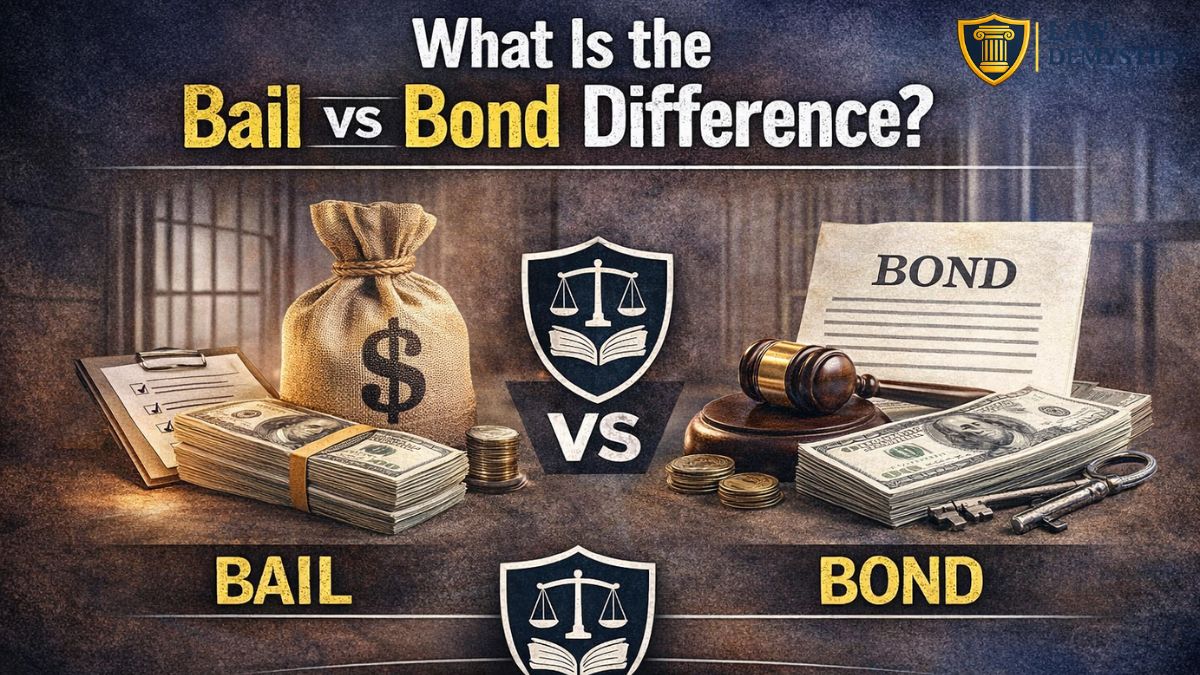
The bail vs bond difference is simple in concept but often misunderstood in practice. Bail is the amount of money set by a court to secure a defendant’s temporary release from custody. A bond is the financial guarantee—often provided by a third party such as a bail bond company—that ensures the bail amount will be paid if the defendant fails to appear.
In simple terms, bail is the financial amount set by the court to allow temporary release from custody. A bond is the method used to pay or guarantee that amount.
Understanding the bail vs bond difference matters not only in criminal law but also in housing stability, employment continuity, and financial protection. When a tenant, landlord, or property manager becomes involved in the criminal justice system—whether through an arrest related to a dispute, a protest, a misunderstanding, or even an unrelated matter—the way bail or bond is handled can directly affect lease obligations, rental payments, and consumer financial rights.
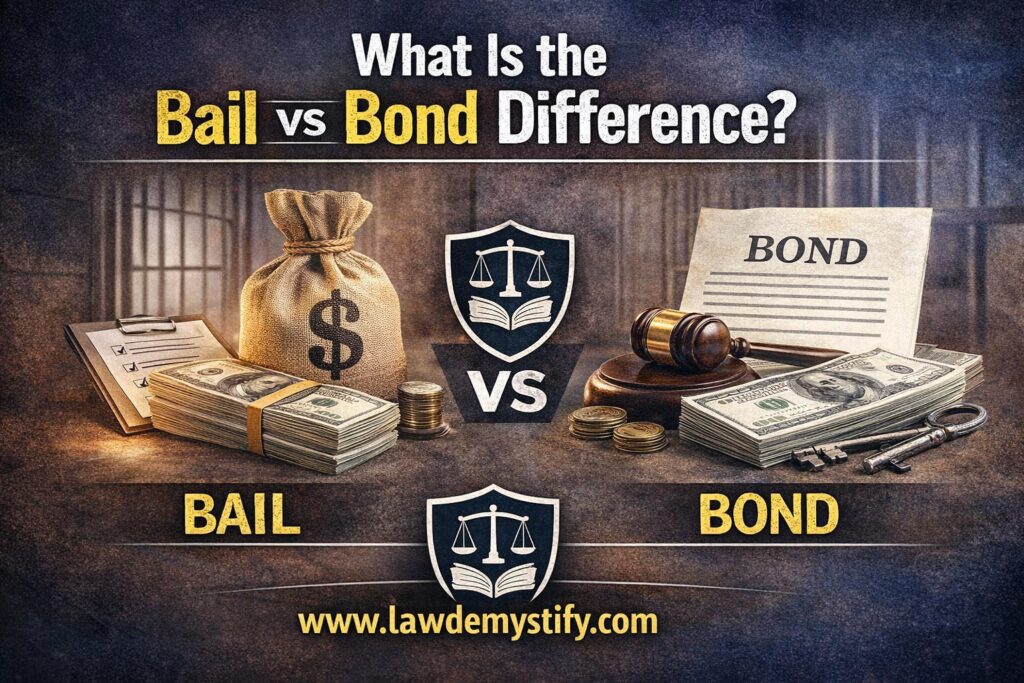
This guide explains the legal foundations of bail and bonds, how courts apply them, how states differ, and what practical consequences arise for tenants and landlords.
What Is Bail in Criminal Law?
What is bail in criminal law? Bail is a court-ordered financial condition that allows a person charged with a crime to remain out of jail while their case proceeds.

After an arrest, a judge (or sometimes a preset schedule) determines a bail amount. The purpose is not to punish. Instead, bail exists to:
- Ensure the defendant returns to court
- Protect public safety
- Maintain court efficiency
Bail is rooted in the Eighth Amendment to the U.S. Constitution, which prohibits “excessive bail.” However, the Constitution does not guarantee a right to bail in every situation. Courts may deny bail in serious felony cases or where the defendant poses a flight risk or danger to the community.
In short, the bail vs bond difference is that bail is the amount ordered by the court, while a bond is the financial mechanism used to secure release.
What Is Considered Excessive Bail?
The Eighth Amendment to the United States Constitution prohibits “excessive bail.” This does not mean bail must be low. It means bail cannot be set higher than necessary to ensure a defendant’s appearance in court and protect public safety. Courts consider the seriousness of the offense, prior criminal history, risk of flight, and danger to the community.
If bail appears unreasonably high compared to the charges, the defense may request a bail review hearing. Excessive bail is unconstitutional because bail is meant to secure appearance—not to punish someone before conviction. In housing-related cases, excessively high bail may indirectly affect a tenant’s ability to return home or a landlord’s ability to manage rental property operations.
How Does Bail Work After Arrest?
How does bail work after arrest? After booking, the defendant either receives a preset bail amount from a bail schedule or attends a bond hearing process before a judge.
In many states:
- Minor offenses use standardized bail schedules.
- Felonies require judicial review.
- Serious violent crimes may involve detention hearings.
During the bond hearing process, the judge considers:
- The seriousness of the offense
- Criminal history
- Ties to the community
- Employment status
- Housing stability
Housing stability is particularly important. Courts often consider whether a defendant has a fixed address. A tenant with an active lease and consistent rental payments may appear less likely to flee than someone without stable housing.

This is where the bail vs bond difference intersects with landlord-tenant realities. If a tenant cannot secure release, rent may go unpaid. If a landlord is arrested, property management responsibilities may be disrupted.
What Is Release on Personal Recognizance (PR)?
Release on Personal Recognizance (PR release) allows a defendant to be released without paying money upfront. Instead of posting cash bail or using a bond agent, the individual signs a written promise to return to court. Courts typically grant PR release in low-level or non-violent cases where the defendant has strong community ties, stable housing, and minimal criminal history.
Conditions may include regular check-ins, travel restrictions, or compliance with court supervision. The availability of PR release can significantly reduce financial strain, especially for tenants who rely on steady employment to meet rent obligations. Understanding PR release adds important context to the bail vs bond difference because not all cases require monetary payment.
What Is a Bond in Court?
What is a bond in court? A bond is a financial guarantee posted to secure the defendant’s release when they cannot pay the full bail amount themselves.
There are several types of bonds, but the most common are:
- Cash bail (full amount paid directly to the court)
- Surety bond (guaranteed by a bail bond agent)
- Property bond (secured by real estate)
The bail vs bond difference is that bail is the amount set by the court, while a bond is the financial mechanism used to satisfy that amount.
For example, if bail is set at $20,000, a defendant may:
- Pay $20,000 in cash to the court (cash bail), or
- Pay a bail bond company 10–15% as a non-refundable premium, and the company guarantees the rest (surety bond)
This distinction is critical because financial consequences vary dramatically depending on which option is used.
What Is the Difference Between Bail and Bond in Practical Terms?
The difference between bail and bond becomes most visible when money changes hands.
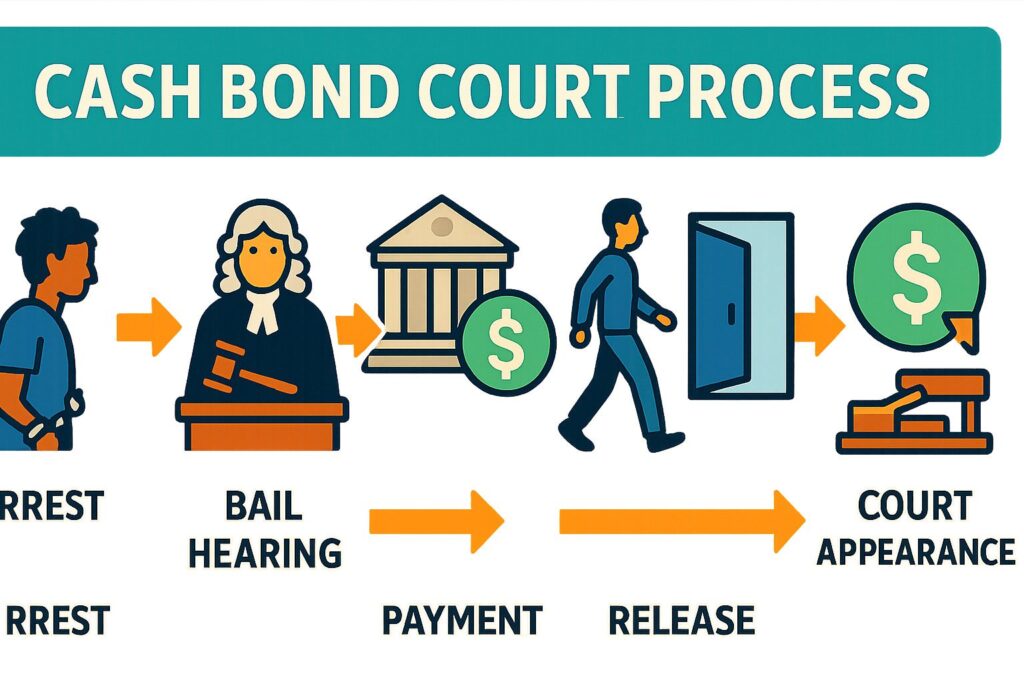
If a defendant posts cash bail directly:
- The full amount is held by the court.
- If the defendant appears at all required hearings, the money is returned at the end of the case (minus possible fees).
If a defendant uses a bail bond company:
- They typically pay 10%–15% of the bail as a premium.
- That payment is non-refundable.
- The bond company assumes liability for the remaining amount.
In other words, under the bail vs bond difference, bail money may be refundable; bond premiums are generally not.
This financial distinction can have significant consumer protection implications, especially for low-income tenants or landlords managing rental properties with tight cash flow.
Is Bail Money Refundable?
Is bail money refundable? If the defendant posts cash bail directly with the court and complies with all court appearances, the bail is usually refundable at the end of the case.
However:
- Administrative fees may be deducted.
- Some states allow partial retention.
- Restitution or fines may be applied against the bail.
In contrast, under the bail vs bond difference, bond premiums paid to a bail bond company are typically not refundable—even if the defendant appears in court and the charges are dismissed.
From a consumer protection perspective, this distinction can affect families who use rent money, savings, or emergency funds to secure release. Misunderstanding the bail vs bond difference may result in unexpected financial hardship.
Cash Bail vs Surety Bond: What’s the Financial Risk?
Cash bail vs surety bond involves different financial risks and obligations.
With cash bail:
- The full amount must be available immediately.
- The money is tied up until case resolution.
- Refund is possible if court appearances are satisfied.
With a surety bond:
- Only a percentage is paid upfront.
- The premium is non-refundable.
- The bond agent may require collateral (vehicles, jewelry, property).
The bail vs bond difference is especially relevant when collateral involves a rental property owner’s assets. If a landlord pledges property as collateral and the defendant fails to appear, the bond company may pursue foreclosure or seizure of pledged assets.
For tenants, using a bond may prevent eviction caused by prolonged detention—but the financial cost may permanently reduce savings needed for rent.
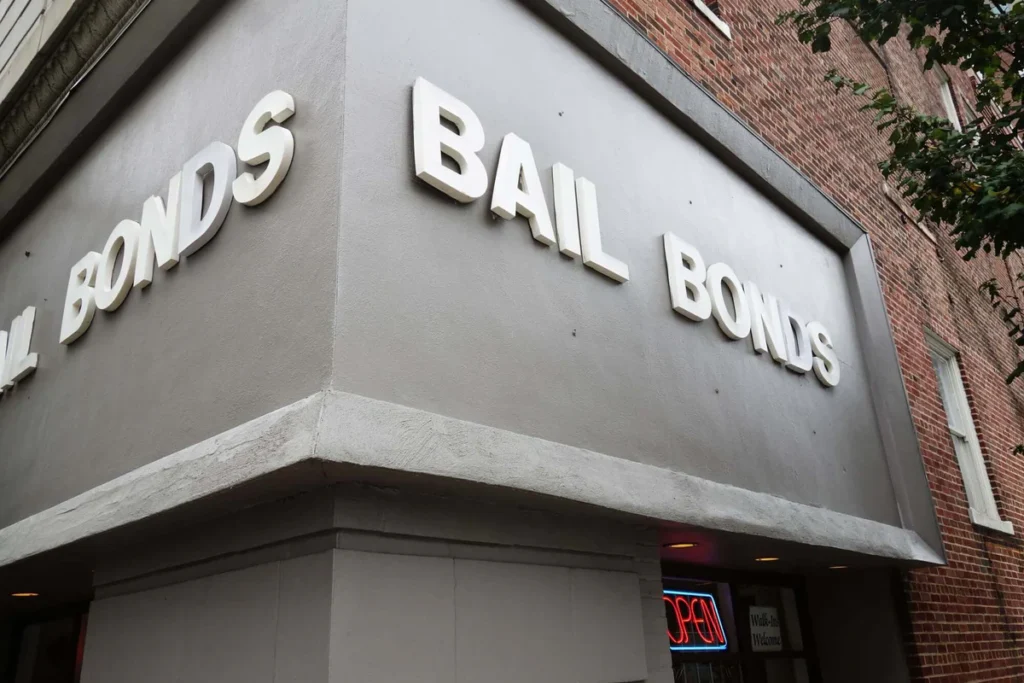
Many families do not realize until later that bond premiums are non-refundable. In stressful situations, people focus on immediate release and overlook long-term financial impact. Understanding the bail vs bond difference before a crisis occurs can prevent avoidable financial strain.
Can You Get Bail for a Felony?
Can you get bail for a felony? In many cases, yes—but not always.
State laws differ. Generally:
- Non-violent felonies often allow bail.
- Violent felonies may involve higher bail or detention hearings.
- Capital offenses may allow denial of bail.
Federal courts operate differently. Under federal law, pretrial release focuses on conditions of supervision rather than fixed bail amounts. Judges assess risk of flight and danger to the community.
The bail vs bond difference remains relevant in felony cases because high bail amounts often require bond agents. In housing-related felony cases—such as alleged fraud, large-scale property damage, or landlord retaliation charges—the financial implications may directly affect ongoing lease agreements.
What Happens If You Skip Bail?
What happens if you skip bail? If a defendant fails to appear in court:
- The court issues a bench warrant.
- Bail may be forfeited.
- A bond company may pursue recovery.
Under the bail vs bond difference, consequences vary depending on payment method.
If cash bail was posted:
- The court keeps the full amount.
If a surety bond was used:
- The bond company becomes liable for the full bail.
- The company may hire recovery agents.
- Collateral may be seized.
For tenants, skipping bail can trigger eviction if incarceration prevents rent payment. For landlords, failure to appear in court can jeopardize property operations and financing.
How the Bail vs Bond Difference Affects Tenants
In practice, the bail vs bond difference often determines whether a tenant returns home quickly or remains incarcerated. This usually means:
- A tenant who can post cash bail may return home the same day.
- A tenant relying on a bond agent may need time to arrange paperwork and collateral.
- A tenant unable to secure either may remain in custody.
Extended detention can result in:
- Missed rent payments
- Lease violations due to absence
- Utility shutoffs
- Loss of employment
State landlord-tenant laws do not automatically excuse rent because of incarceration. Unless a lease contains specific provisions, tenants remain contractually responsible.
However, some states—such as California and New York—limit eviction proceedings where domestic violence-related arrests are involved and no conviction occurs. These state-specific protections interact indirectly with the bail vs bond difference, particularly when early release prevents extended absence.
From a practical standpoint, even a short period of detention can disrupt rent payments, job attendance, and childcare arrangements. Courts do not pause lease obligations automatically. This is why early release—whether through cash bail, bond, or PR release—can directly affect housing stability.
How the Bail vs Bond Difference Affects Landlords
Landlords may encounter bail issues in several scenarios:
- Arrests arising from property disputes
- Allegations of housing code violations
- Claims of discrimination
- Fraud investigations
The bail vs bond difference can affect business continuity. If a landlord posts cash bail personally, liquidity may decrease. If a bond is used with collateral tied to rental property, financial risk increases.
In multi-state operations, landlords must consider how state laws regulate bail bond agents. Some states strictly license bond companies; others impose consumer disclosure requirements.
Federal vs State Authority Over Bail
Bail law is primarily governed at the state level. Each state sets:
- Bail schedules
- Bond regulations
- Premium limits
- Forfeiture rules
Federal courts operate under the Bail Reform Act, which emphasizes release conditions rather than monetary bail alone.
The bail vs bond difference therefore varies by jurisdiction. For example:
- Illinois has largely eliminated traditional cash bail in most cases.
- Texas continues to rely heavily on monetary bail.
- New Jersey emphasizes risk-based assessments.
These differences directly affect how quickly tenants or landlords can secure release and return to housing responsibilities.
How Bail Reform Has Changed the System
In recent years, several states have reformed traditional cash bail systems. Critics argue that monetary bail can disproportionately affect low-income individuals who remain incarcerated simply because they cannot afford release. Some states have shifted toward risk-based assessments that evaluate public safety and flight risk rather than financial ability.
Illinois, for example, has largely eliminated traditional cash bail, while states like New Jersey rely heavily on supervised release conditions. These reforms directly impact how the bail vs bond difference operates across jurisdictions and influence housing stability, employment continuity, and financial exposure for defendants and their families.
State-by-State Differences in Bail Bond Regulation
While the bail vs bond difference exists nationwide, regulation of bond agents differs significantly.
California limits bond premiums to approximately 10% and regulates collateral recovery practices.
Florida caps premiums and requires licensing through the Department of Financial Services.
Texas permits private bail bond boards at the county level.
New York imposes strict consumer disclosure requirements and regulates installment plans.
Illinois recently ended traditional cash bail, fundamentally altering how the bail vs bond difference functions in that state.
These variations impact consumer protection rights and financial exposure.
How This Works in Real Life
In real life, bail decisions rarely happen calmly or with plenty of time to think. Families often receive a late-night phone call from jail and must decide within hours whether to gather savings, borrow money, or contact a bail bond company.
In that moment, legal terms become secondary to urgency. The immediate concern is getting a loved one home safely while minimizing long-term financial damage. Few individuals fully analyze refund rules, collateral risks, or state regulations during that initial stressful conversation.
Emotions run high. Employment schedules, childcare responsibilities, and upcoming rent payments quickly become urgent concerns. The bail vs bond difference becomes more than a legal definition—it becomes a financial decision that can affect an entire household.
Consider a tenant arrested after a dispute unrelated to housing. Bail is set at $15,000.
If the family understands the bail vs bond difference, they may evaluate:
- Whether they can recover the cash later
- Whether paying a non-refundable premium makes more sense
- Whether collateral risks outweigh refund potential
This becomes especially important when rent is due within days. Choosing a bond may preserve immediate liquidity but permanently reduce available funds.
For landlords, understanding the bail vs bond difference may influence how they manage lease compliance when a tenant’s absence is short-term versus prolonged.
Common Mistakes People Make About Bail and Bond
Misunderstanding the bail vs bond difference can create long-term financial harm.
One common mistake is assuming bond premiums are refundable. They are generally not.
Another mistake is pledging rental property as collateral without understanding forfeiture risks.
A third mistake is ignoring state-specific rules about bond agent fees and payment plans. Some bond agreements contain strict repayment terms or collateral clauses that families do not fully review before signing.
These errors can affect housing stability, credit scores, and consumer protection rights.
Frequently Asked Questions
Is bail the same thing as a bond?
No. The bail vs bond difference is that bail is the amount set by the court, while a bond is the method used to guarantee or pay that amount.
Do you get your money back after posting bail?
If you post cash bail directly and comply with court requirements, it is generally refundable minus possible fees.
Why would someone use a bail bond company?
Because they cannot afford the full bail amount upfront and prefer to pay a percentage instead.
Can a landlord evict a tenant who is in jail?
Eviction depends on lease terms and state law. Incarceration alone does not automatically terminate a lease.
Does federal court use bail bonds?
Federal courts focus more on supervised release conditions rather than traditional cash bail, although monetary conditions can still be imposed in certain cases.
What happens to collateral used for a bond?
If the defendant appears in court, collateral is returned. If not, it may be seized.
Are bail laws the same in every state?
No. Bail systems and bond regulations vary widely across states.
Understanding the bail vs bond difference is not merely a criminal procedure issue. It is a financial and housing stability issue that affects tenants, landlords, and families nationwide. Bail decisions are often made under pressure, with limited information and urgent emotional stress. Knowing how bail is set, how bonds operate, and how state regulations differ allows individuals to make informed choices during difficult moments. While this article provides general educational information, anyone facing arrest or pretrial detention should consider seeking advice from a qualified criminal defense attorney in their jurisdiction.