When someone is taken into custody, the immediate question is simple but urgent: what happens after an arrest?
The government begins a structured constitutional process that can feel overwhelming and confusing. For many people, an arrest happens suddenly—during a traffic stop, a domestic dispute, a financial investigation, or even a misunderstanding. What follows is not random. It is a legally structured system with specific timelines and constitutional protections.
Understanding what happens after an arrest helps reduce fear, prevent costly mistakes, and protect housing, employment, and financial stability—especially for tenants and landlords whose rights and obligations may intersect with criminal proceedings.
This guide explains the legal process after arrest in the United States, including booking, bail, arraignment, pretrial procedures, and trial. It also addresses how criminal cases can affect rental housing, consumer rights, and financial responsibilities. The U.S. criminal justice system operates under constitutional safeguards that balance government authority with individual rights.
For example, someone arrested after a late-night traffic stop may spend hours in booking before ever speaking to a judge. Another person arrested during a business investigation may not immediately understand the potential financial or professional consequences. These early hours are often confusing and emotionally charged, yet they can significantly influence the direction of the case.
This article is provided for educational purposes only and does not constitute legal advice. Laws vary by state, and individual circumstances matter.
What Happens Immediately After an Arrest?
Immediately after law enforcement makes an arrest, the person is taken into custody and transported to a local jail or detention facility for booking.
This first stage addresses one of the most common questions: what happens immediately after an arrest?

The short answer: identification, documentation, and custody processing.
The Booking Process After Arrest
The booking stage formally records the arrest into the system. During the booking process after arrest, officers typically:
- Record personal information (name, address, date of birth)
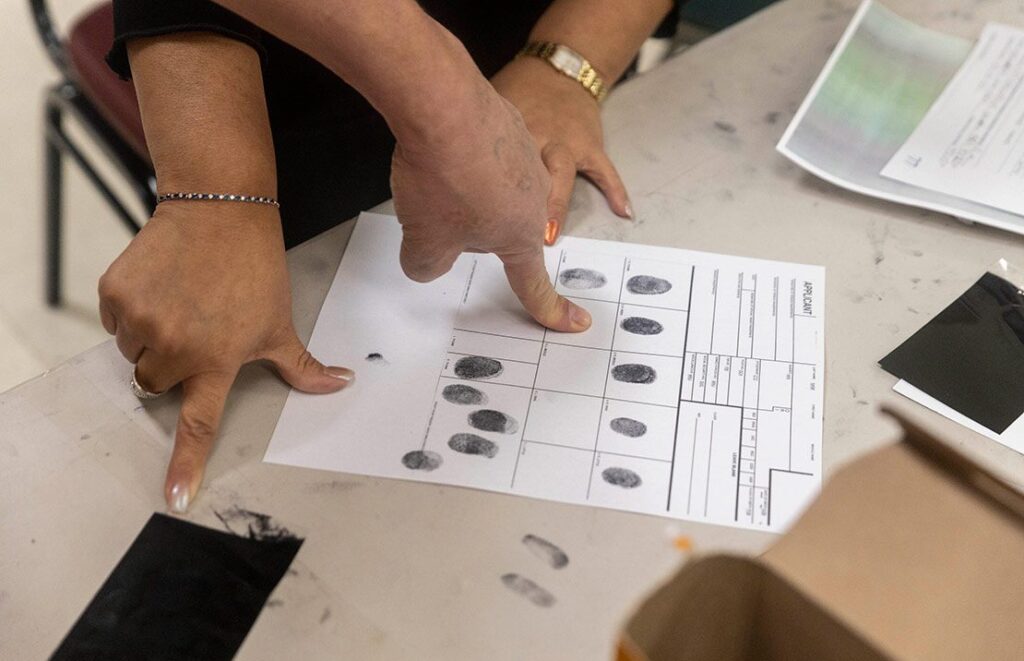
- Take fingerprints and photographs (mugshots)
- Conduct a background check for outstanding warrants
- Inventory and temporarily confiscate personal property
The booking process does not determine guilt. It is administrative.

For many families, this is the most stressful moment. Phones are confiscated, loved ones may not know where the person has been taken, and uncertainty about release creates immediate anxiety. Understanding that booking is procedural—not a determination of guilt—can help reduce unnecessary panic.

However, this stage becomes critically important for tenants and landlords. For example:
A tenant arrested during a domestic dispute may be released within hours, while a landlord arrested for alleged fraud could face temporary business interruption. Property left in a vehicle or apartment must be handled lawfully to avoid later disputes.
Each state regulates detention timelines differently. In most jurisdictions, a person must be brought before a judge within 24–72 hours.
How Long Can You Be Held After Arrest?
The Constitution requires prompt judicial review.
Under the Fourth Amendment, individuals generally must receive a probable cause determination within 48 hours of arrest if no warrant existed. State rules may impose stricter timelines. This requirement stems What Does the Right to Remain Silent Mean? from U.S. Supreme Court precedent requiring prompt judicial review following warrantless arrests.
For example:
- In California, arraignment typically occurs within 48 hours excluding weekends and holidays.
- In Texas, magistrate review must occur within 48 hours.
- In New York, defendants must be brought before a judge “without unnecessary delay,” often within 24 hours.
If charges are not filed promptly, release may occur.
This answers another frequent concern tied to what happens after an arrest: detention is not indefinite. There are constitutional limits.
What Rights Do You Have After an Arrest?
Immediately after custody, constitutional protections activate.
These include:
Miranda Rights After Arrest
Police must advise individuals of their rights before custodial interrogation. These rights include:
- The right to remain silent
- The right to an attorney
- Notice that statements can be used in court
The right to remain silent after arrest is one of the most powerful protections in the criminal justice system.
Right to Counsel
One of the most common concerns is: do you get a lawyer after arrest?
Yes. Under the Sixth Amendment, defendants have the right to counsel in criminal prosecutions. If they cannot afford one, a public defender may be appointed.
This is a core component of the legal process after arrest and protects tenants, landlords, and business owners alike from navigating complex proceedings alone.
What Is the Bail Process After Arrest?
After booking, a judge determines whether the accused will remain in custody or be released.
The bail process after arrest is designed to ensure court appearance—not to punish.
In practice, however, bail decisions can dramatically affect a person’s life. Someone who cannot afford bail may remain in custody for weeks, which can impact employment, housing stability, and family responsibilities.
Research in several jurisdictions has shown that individuals who remain in custody before trial are statistically more likely to accept plea agreements, even when viable defense arguments exist.
How Bail Is Determined
Judges consider:
- Severity of the alleged offense
- Criminal history
- Flight risk
- Community ties
- Risk to public safety
Release options may include:
- Release on own recognizance (no payment required)
- Cash bail
- Surety bond through a bail bondsman
- Supervised release conditions
For housing-related cases—such as alleged property damage, landlord-tenant disputes escalating into criminal charges, or fraud allegations—bail decisions can significantly affect ongoing lease obligations.
A detained tenant may still owe rent. A detained landlord may still owe mortgage and maintenance obligations.
Understanding what happens after an arrest includes recognizing these continuing financial responsibilities.
What Is Arraignment in Court?
The arraignment is the first formal court appearance.
In simple terms, arraignment is where charges are read, rights are explained, and a plea is entered.
The arraignment process includes:
- The judge identifies the charges.
- The defendant is informed of rights.
- Bail is reviewed or modified.
- A plea is entered (guilty, not guilty, or no contest).
This is often the first court appearance after arrest and marks the official beginning of the criminal court process in the United States.
For renters and property owners, arraignment may trigger collateral consequences:
- Lease termination clauses tied to criminal activity
- Eviction proceedings based on alleged conduct
- Suspension of professional licenses affecting income
State laws vary significantly in how criminal allegations affect tenancy rights.
How Long After Arrest Is the Court Date?
Court scheduling depends on state procedure and case complexity.
In misdemeanor cases, the first hearing may occur within days or weeks. Felony cases often involve preliminary hearings or grand jury proceedings before trial scheduling.
The criminal case timeline in the United States generally follows this sequence:
- Arrest
- Booking
- Initial appearance
- Arraignment
- Pretrial motions
- Discovery
- Plea negotiations
- Trial
The timeline can extend months or even years.
Understanding what happens after an arrest means recognizing that the process is structured—but rarely fast.
What Is the Indictment Process USA?
For serious felony charges, prosecutors may seek a grand jury indictment.
A grand jury reviews evidence presented by the prosecution to determine whether probable cause exists to formally charge someone.

This differs from a preliminary hearing, where a judge makes the probable cause determination.
Federal felony cases almost always require indictment under the Fifth Amendment.
This distinction becomes especially important when cases involve:
- Federal housing fraud
- Interstate financial crimes
- Large-scale landlord-tenant fraud schemes
- Consumer protection violations crossing state lines
Federal and state criminal authority operate separately but sometimes overlap.
Preliminary Hearing vs Grand Jury: What’s the Difference?
In felony cases, probable cause may be reviewed in one of two ways: a preliminary hearing or a grand jury proceeding.
Preliminary Hearing
A judge reviews evidence in open court. The defense may cross-examine witnesses. If probable cause is found, the case proceeds.
Grand Jury
A group of citizens reviews evidence presented by the prosecutor in a closed proceeding. The defense does not participate. If probable cause is established, an indictment is issued.
State vs Federal Practice
Federal felony cases almost always proceed through grand jury indictment. State systems vary—some use preliminary hearings, others use grand juries, and some allow both.
Understanding this distinction clarifies how serious felony charges formally move forward.
How Federal vs State Authority Affects the Criminal Process
Most arrests occur under state law.
State governments handle the majority of crimes, including assault, theft, property damage, and most landlord-tenant related criminal allegations.
Federal jurisdiction applies when:
- Federal statutes are violated
- Interstate commerce is involved
- Federal housing programs are implicated
- Civil rights violations occur
For example:
- Fraud involving Section 8 housing vouchers may trigger federal prosecution.
- Interstate wire fraud tied to rental scams may become a federal case.
- Violations of the Fair Housing Act may involve civil enforcement rather than criminal prosecution.
Understanding the division between state and federal authority clarifies the broader legal process after arrest.
What Is the Pretrial Process Explained?
After arraignment, the case enters the pretrial stage.
The pretrial process explained in plain language: this is where evidence is exchanged, legal challenges are filed, and negotiations may occur.
Defense attorneys may file motions to:
- Suppress illegally obtained evidence
- Dismiss defective charges
- Compel discovery
Prosecutors must provide evidence to the defense under constitutional due process standards.
For landlords and tenants, this stage may overlap with:
- Eviction proceedings
- Lease enforcement disputes
- Civil lawsuits
- Debt collection related to alleged damages
Criminal allegations do not automatically determine civil liability. Separate legal standards apply.
It is common for individuals to face both criminal charges and related civil disputes at the same time. For example, a landlord accused of fraud may simultaneously defend against tenant lawsuits. These parallel proceedings often move at different speeds and follow different rules.
How Criminal Charges Affect Tenants and Landlords Differently
Criminal charges do not impact everyone the same way. The legal and practical consequences often depend on whether the person involved is a tenant, a landlord, or a property manager. While the criminal case follows its own path in court, housing rights and contractual obligations continue to operate under state landlord-tenant law.
Impact on Tenants
For tenants, an arrest or criminal charge does not automatically terminate a lease. However, certain circumstances may create housing risks:
- If the lease includes a criminal activity clause
- If the alleged conduct occurred on the rental property
- If the housing is federally subsidized (such as public housing or voucher programs)
- If the charge involves drug-related or violent allegations tied to the premises
Even in these situations, eviction is not automatic. Landlords must still follow proper legal procedures, including written notice and a court filing. A tenant’s arrest alone is generally not enough to justify immediate lockout or utility shutoff. Due process protections still apply.
Tenants who remain in custody may also face practical challenges. Rent obligations typically continue unless the lease is lawfully terminated. Failure to pay rent during detention can lead to eviction proceedings, even if the criminal charges are later dismissed.
Impact on Landlords
Landlords facing criminal allegations encounter a different set of risks. While a criminal charge does not automatically remove ownership rights, it may create operational and financial complications.
For example:
- A landlord accused of fraud may face parallel civil lawsuits
- Allegations of harassment could expose the landlord to fair housing claims
- Business interruptions may affect property management and maintenance
Importantly, landlords must continue complying with housing laws during criminal proceedings. Habitability requirements, security deposit regulations, and anti-discrimination laws remain fully enforceable. A pending criminal case does not excuse failure to maintain safe and livable conditions.
Key Legal Distinction
Criminal court and housing court are separate systems. A criminal charge does not automatically determine civil liability, and an eviction action does not establish criminal guilt. However, facts from one case may influence the other.
Understanding these differences helps both tenants and landlords make informed decisions during an already stressful time. Criminal allegations may create housing risks—but legal protections and procedural safeguards still apply to both sides.
Collateral Consequences of an Arrest
An arrest can trigger consequences far beyond the courtroom. Even before a conviction occurs, individuals may face serious indirect effects that impact financial stability, employment, and long-term opportunities.
Employment Background Checks
Many employers conduct criminal background screenings. An arrest—especially if charges are filed—may appear on a report and affect hiring decisions, even if the case is later dismissed.
Professional Licensing Issues
Doctors, nurses, real estate brokers, contractors, and other licensed professionals may be required to report arrests to their licensing boards. Administrative investigations can proceed separately from the criminal case.
Immigration Consequences
Non-citizens may face immigration review following certain arrests. Even without conviction, charges involving fraud, violence, or controlled substances can trigger immigration proceedings.
Public Housing Restrictions
Individuals living in federally subsidized housing programs may face additional scrutiny. Certain drug-related or violent allegations can affect eligibility under federal housing regulations.
Security Clearance Impact
Government employees and defense contractors may be required to report arrests. Clearance investigations can affect employment status.
Student Financial Aid
Some drug-related convictions may affect eligibility for federal student aid, though policies vary and change over time.
These collateral consequences often begin immediately and may continue even if charges are later reduced or dismissed.
How Plea Bargains Work After an Arrest
Most criminal cases in the United States do not proceed to trial. Instead, they resolve through negotiated plea agreements between the defense and the prosecution.
A plea bargain is a formal agreement in which the defendant agrees to plead guilty or no contest in exchange for certain concessions. These may include:
- Reduced charges
- Dismissal of more serious counts
- Agreed sentencing recommendations
- Probation instead of incarceration
Prosecutors may offer plea agreements when evidence is strong but trial risks exist, or when judicial efficiency favors resolution.
Defendants must carefully evaluate the strength of the evidence, the potential penalties if convicted at trial, and the long-term collateral consequences—including immigration or professional licensing impact.
Accepting a plea is a significant legal decision that should be made only after consultation with counsel.
Can You Be Released Without Charges?
Yes. If prosecutors decline to file charges after review, release may occur.
This often happens when:
- Evidence is insufficient
- Witnesses recant
- Police reports are incomplete
- The incident is determined to be civil rather than criminal
This answers a key concern embedded in what happens after an arrest: arrest does not equal conviction.
However, even an uncharged arrest can affect housing applications, employment background checks, and professional licensing unless sealed or expunged under state law.
How This Works in Real Life
In practice, this usually means the criminal process and housing rights intersect in unexpected ways.
For example:
- A tenant arrested during a noise complaint dispute may still retain lease rights unless convicted of criminal activity that violates the lease.
- A landlord arrested for alleged harassment cannot lawfully engage in retaliatory eviction.
- A property manager facing fraud charges may still owe fiduciary duties to tenants and property owners.
This becomes especially important when financial obligations continue during detention.
Rent does not automatically pause. Mortgage payments do not automatically suspend. Utility contracts remain active.
Understanding what happens after an arrest includes recognizing these parallel legal responsibilities.
Common Mistakes People Make After an Arrest
Mistakes during the early stages can significantly affect outcomes.
Common errors include:
- Speaking to police without counsel
- Posting case details on social media
- Ignoring court dates
- Violating bail conditions
- Assuming arrest automatically voids a lease
These mistakes affect legal rights because statements can be used as evidence, missed court dates can trigger warrants, and lease assumptions can result in wrongful eviction claims.
Tenants should not abandon property without understanding state abandonment laws. Landlords should not change locks without lawful eviction procedures.
The legal process after arrest does not suspend housing law compliance.
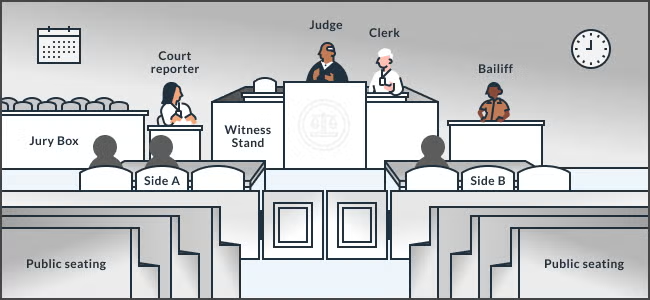
What Happens If the Case Goes to Trial?
If no plea agreement resolves the case, trial follows.
A criminal trial is often very different from what people see on television. Proceedings move slowly, evidentiary rules are strict, and the burden remains entirely on the prosecution to prove guilt beyond a reasonable doubt.
At trial:
- The prosecution bears the burden of proof beyond a reasonable doubt.
- Evidence is presented.
- Witnesses testify.
- A judge or jury decides guilt.
If acquitted, the defendant is released.
If convicted, sentencing may include fines, probation, community service, incarceration, or restitution depending on the severity of the offense and the defendant’s criminal history.
Restitution orders can overlap with housing damage claims or financial losses, particularly in cases involving property disputes or fraud allegations.
Understanding what happens after an arrest includes recognizing that trial is not automatic; many cases resolve earlier through plea negotiations.
How Sentencing Is Determined in State and Federal Cases
If a conviction occurs, sentencing is guided by statutory law and judicial discretion.
Mandatory Minimum Sentences
Some offenses require minimum periods of incarceration set by statute.
Sentencing Guidelines
Federal courts apply advisory sentencing guidelines. Many states maintain structured sentencing frameworks.
Aggravating and Mitigating Factors
Judges may also consider victim impact statements, rehabilitation efforts, and whether the defendant accepted responsibility.
Probation vs Incarceration
Non-violent offenses may result in probation, fines, or community service.
Restitution Orders
Courts may require repayment for financial losses, which can overlap with housing or property damage claims.
Sentencing decisions significantly affect financial and housing stability long after the criminal case concludes.
Can an Arrest Be Removed From Your Record?
An arrest does not automatically remain permanent. Many states allow record relief through expungement or sealing procedures.
Arrest vs Conviction
An arrest alone does not equal guilt. Some states permit sealing if charges are dismissed.
Expungement
Expungement may remove the record from public access in qualifying cases.
Record Sealing
Sealed records remain accessible to courts and law enforcement but are hidden from most employers.
State Eligibility Rules
Eligibility varies significantly by state and offense type.
Waiting Periods
Some jurisdictions require waiting periods before filing a petition for relief.
Individuals seeking record relief should review state-specific procedures carefully. For many people, record relief represents a second chance. Clearing or sealing an arrest record can significantly improve employment opportunities, housing applications, and financial stability.
Common Misunderstandings About Arrests
An arrest often creates immediate assumptions that are not legally accurate. Several common misunderstandings can lead to unnecessary fear or poor decision-making:
- An arrest is not the same as a conviction.
- Charges can be reduced or dismissed before trial.
- Bail is not intended as punishment.
- Criminal and civil cases follow different legal standards.
- A single arrest does not automatically void housing rights.
Understanding these distinctions helps individuals make informed decisions rather than reacting based on fear or misinformation.
Frequently Asked Questions
What determines whether someone stays in jail after being arrested?
Judges evaluate risk factors such as flight risk, prior criminal history, and public safety concerns before setting release conditions.
Does an arrest automatically mean formal charges will be filed?
No. Prosecutors review evidence before filing charges, and some cases are declined.
Can rental housing be terminated solely because of an arrest?
In most states, an arrest alone does not automatically terminate a lease unless specific federally regulated housing rules apply.
How quickly does the first court hearing usually occur?
Initial court appearances typically occur within 24 to 72 hours, depending on state law and court scheduling.
What happens if someone misses their first court date?
Failure to appear can result in a bench warrant and additional charges.
Are criminal cases and eviction cases connected?
They are separate legal processes, though facts from one may influence the other.
Can criminal records be cleared later?
Many states allow expungement or sealing under certain conditions, subject to statutory eligibility rules.
When Should You Contact a Criminal Defense Attorney?
Early legal representation can significantly influence the outcome of a criminal case. An experienced attorney can:
- Advocate at bail hearings
- Challenge unlawful evidence
- Negotiate favorable plea agreements
- Protect housing and employment interests
- Advise on collateral and long-term consequences
The period immediately following an arrest is often the most critical stage of a criminal case. Early decisions—whether about bail, statements to law enforcement, or housing obligations—can have long-term legal and financial consequences.
Speaking with an experienced criminal defense attorney as early as possible can help protect your rights, preserve evidence, and reduce unnecessary risk. Strategic action at the beginning of a case often determines its ultimate outcome. Delays in seeking legal advice can limit available defense strategies and increase long-term risk.