Why Employee Rights Matter in Everyday Work Life
Understanding employee rights in the usa is essential for anyone who works for a living, whether you are starting your first job, managing a career change, or supervising others in a professional setting. Many workplace problems arise not because laws are unclear, but because workers are unaware of the protections already available to them. From pay issues to job security concerns, knowing where the law stands can help employees make informed decisions and avoid unnecessary disputes.
In the United States, workers rights usa are shaped by a mix of federal and state laws designed to balance employer authority with employee protection. These rules cover wages, hours, discrimination, safety, and termination practices.
Many employees first begin looking into their rights after something goes wrong—such as missing overtime, a reduced paycheck, receiving a legal notice, or facing a sudden termination that feels unfair. In those moments, workers are often uncertain whether what happened was unlawful or simply part of the job, and confusion and stress are common, especially for those who have never dealt with employment law before.
While this article does not provide legal advice, it explains the legal framework in plain language so readers can recognize common workplace issues, understand their rights, and know when professional guidance may be necessary. It is written for both beginners and professionals who want a clear, trustworthy overview of employee rights in the USA, explained through real-world examples and practical context.
Having a basic understanding of how laws work before a problem arises can make these situations far less overwhelming. When employees understand what rights exist and how the legal system is structured, they are better equipped to recognize potential violations and respond with clarity rather than uncertainty. If you want a clear foundation of how laws operate in everyday life, see our Legal Basics in the United States: A Beginner’s Guide for a simple, practical starting point.
What Are Employee Rights in the United States?
When people ask what are employee rights in the united states, they are usually referring to the legal protections that govern how employers must treat their workers. These rights are not optional policies; they are enforceable legal standards that apply to most workplaces.
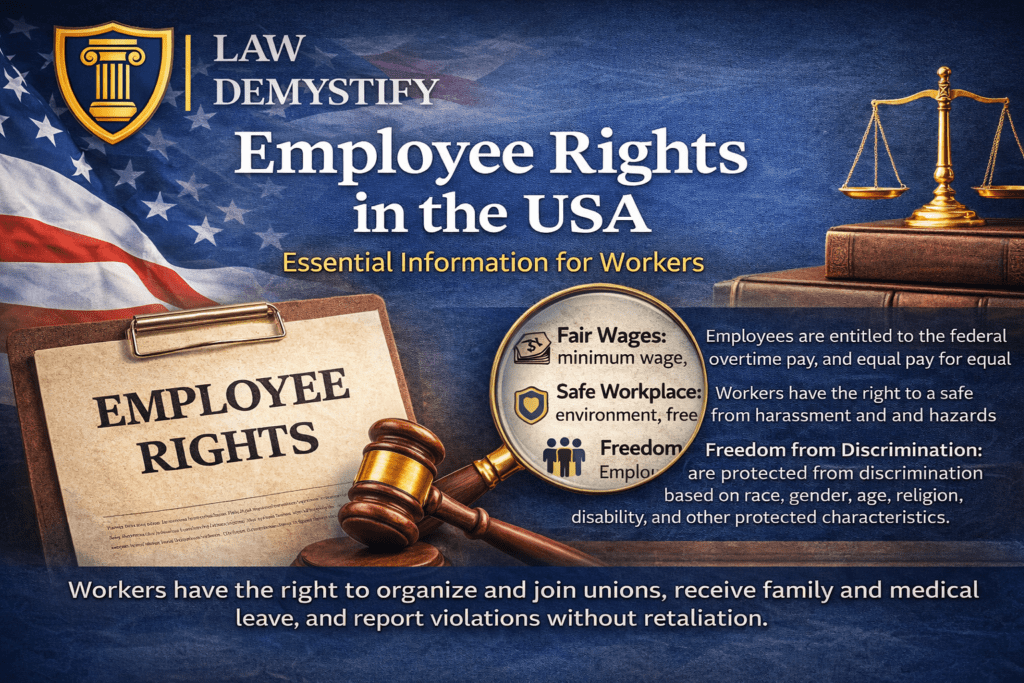
At a basic level, basic employee rights in the usa include the right to be paid lawfully, to work in a safe environment, and to be free from discrimination or harassment. These rights exist regardless of job title, industry, or income level, although some rules vary based on employment status.
Understanding employee rights explained usa helps workers recognize when a workplace practice crosses the line from unfair to unlawful. For example, being unhappy with a schedule change is different from being denied overtime pay required by law. The distinction matters, and knowing it empowers workers to respond appropriately.
Federal Employee Rights and Labor Laws
Most nationwide protections come from federal statutes that establish minimum standards. Employee rights under federal law apply across all states, even though states may add stronger protections of their own.
One of the most important laws is the Fair Labor Standards Act, which defines wage and hour rules. Fair labor standards act employee rights include minimum wage requirements, overtime eligibility, and recordkeeping obligations for employers. These rules form the backbone of labor laws for employees usa and affect millions of workers daily.
Federal law also addresses workplace safety, family leave, and anti-discrimination rules. When discussing workers rights under us labor law, it is important to remember that federal law sets the floor, not the ceiling. States can expand rights, but they generally cannot take federal protections away.
Employee Rights at Work: Day-to-Day Protections
Employee rights at work usa govern everyday workplace interactions, from how tasks are assigned to how discipline is handled. These rights are designed to promote fairness and consistency rather than micromanage business operations.
For example, what rights do employees have at work often includes:
- The right to receive agreed-upon pay on time
- The right to work without facing unlawful discrimination
- The right to raise concerns without fear of retaliation
These principles form part of broader employee rights and protections usa, which aim to create predictable and lawful working conditions. While employers retain significant control over operations, that control must operate within legal boundaries.
Understanding these daily protections helps workers identify patterns. A single issue may be a misunderstanding, but repeated violations may indicate deeper compliance problems.
Full-Time and Part-Time Employee Rights
Employment status affects how some laws apply. Employee rights for full time employees usa often include access to benefits such as health insurance or paid leave, depending on employer size and policy. However, core legal protections apply regardless of full-time status.
Similarly, employee rights for part time workers usa still include minimum wage, overtime eligibility in certain cases, and protection from discrimination. Part-time status does not eliminate fundamental legal safeguards.
Many workers mistakenly believe fewer hours mean fewer rights. In reality, most employment rights usa are tied to the nature of the work relationship, not the number of hours worked. Knowing this distinction helps prevent employers from misclassifying workers or denying lawful protections.
Wages, Overtime, and Pay-Related Rights
Pay disputes are among the most common workplace issues. Minimum wage employee rights usa ensure that covered workers receive at least the federally or state-mandated minimum hourly pay. Employers cannot waive this requirement, even with employee consent.
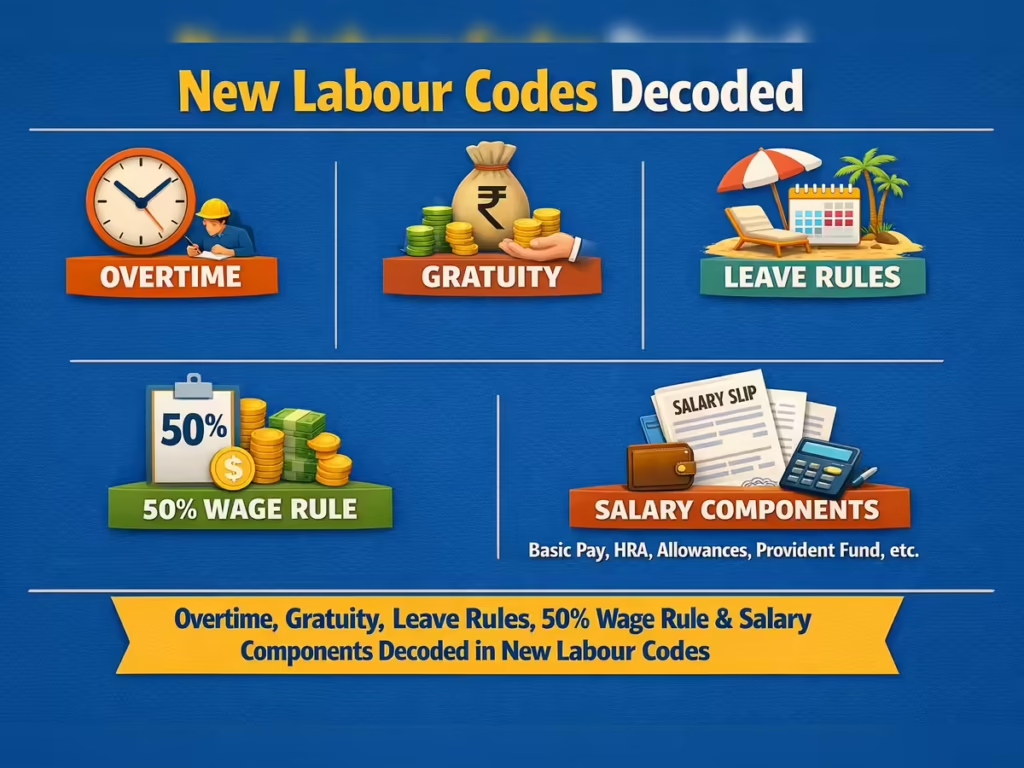
Another major area involves overtime pay employee rights usa. Non-exempt employees are generally entitled to overtime pay when working more than 40 hours in a workweek. Unpaid wages employee rights violations may occur when employers misclassify employees, fail to track hours accurately, or require off-the-clock work.
These wage protections are central to employee labor laws usa and are enforced through both government agencies and private legal actions. Recognizing pay irregularities early can help workers address issues before they escalate.
In real workplaces, pay issues often happen quietly. An employee may stay late to “help out,” answer emails after hours, or work through lunch without realizing those hours may legally count as paid time. Many workers do not question these practices until missing pay becomes routine, which is why wage and overtime rules remain one of the most commonly misunderstood areas of employee rights.
Workplace Discrimination and Harassment Protections

A key part of employee rights law usa involves protection from unfair treatment based on legally protected characteristics. Workplace discrimination employee rights prohibit adverse treatment related to race, color, religion, sex, national origin, age, disability, and other protected categories.
Closely related are harassment at workplace employee rights, which protect workers from unwelcome conduct that creates a hostile or intimidating environment. Harassment does not need to be physical to be unlawful; repeated verbal or visual conduct may qualify under certain circumstances.
These protections are rooted in equal employment opportunity employee rights principles. Employers are required not only to avoid discrimination but also to take reasonable steps to prevent and address it when it occurs.
Employee Rights After Termination and Retaliation
Job termination often raises serious legal questions. Employee rights after termination depend on the circumstances surrounding the separation. While many jobs are “at-will,” that does not mean employers can terminate employees for illegal reasons.
Wrongful termination employee rights may apply if a worker is fired for discriminatory reasons, for reporting illegal activity, or for exercising lawful rights. Similarly, retaliation at work employee rights protect employees who complain about wage violations, safety issues, or discrimination.
Understanding these protections helps workers distinguish between lawful business decisions and potentially unlawful actions. Even after termination, certain rights—such as final pay requirements—continue to apply.
Job termination is often emotional, not just legal. Many people replay conversations in their head, wondering if speaking up about a concern or asking questions led to the decision. While not every termination is illegal, understanding the difference between an unfair situation and an unlawful one can help former employees move forward with clarity instead of doubt.
Workplace Safety and Health Rights
Safety is a core element of workplace safety employee rights. Employers must provide a work environment free from recognized hazards and comply with applicable safety standards. Employees also have the right to report unsafe conditions without fear of retaliation.
These protections are part of broader employee rights and responsibilities usa, recognizing that both employers and employees play roles in maintaining safe workplaces. While employers must address hazards, employees are expected to follow safety rules and report concerns honestly.
A safe workplace is not just a moral obligation; it is a legal one, enforced through inspections, citations, and, in some cases, civil liability.
When Workplace Issues Become Legal Violations
Not every workplace problem is illegal, but some issues cross clear legal lines. Workplace rights violations usa occur when employers fail to meet legal obligations related to pay, discrimination, safety, or retaliation.
Examples of labor law violations employee rights include repeated failure to pay overtime, ignoring harassment complaints, or punishing employees for asserting lawful rights. When such patterns emerge, workers often begin exploring employment law employee rights and available remedies.
In these situations, some workers consider speaking with an employee rights lawyer usa to better understand their options. While this article does not offer legal advice, recognizing when issues may have legal significance is an important first step.
Looking Ahead: Federal vs. State Employee Rights
One important concept in understanding employee rights is the difference between federal and state protections. Federal law establishes minimum standards that apply nationwide, but states are allowed to provide additional safeguards for workers within their borders.
This layered system means employee rights can vary depending on location. While federal rules create a baseline, state laws may expand protections related to wages, leave, termination, or workplace conditions.
Knowing where federal requirements apply and where state-specific rules take over helps employees better evaluate workplace issues and understand which laws may apply to their situation. This awareness is especially important when rights appear unclear or when workplace practices differ from one state to another.
Federal vs. State Employee Rights: Why Location Matters
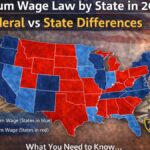
Understanding federal vs state employee rights is critical for anyone working in the United States. Federal laws create a nationwide baseline of protections, but states are free to expand those protections for workers within their borders. This layered system means that two employees doing the same job in different states may have different legal rights.
For example, while federal law sets a minimum wage floor, many states require higher pay. Similarly, some states provide broader family leave rights or stronger worker protections against termination. These state-level rules operate alongside federal standards, strengthening overall employee rights in the usa rather than replacing them.
Because of these differences, employees should always consider both federal and state rules when evaluating workplace concerns. What may be lawful in one state could be restricted or prohibited in another.
How Employee Rights Are Enforced in the United States
Laws only matter when they are enforced. Employee rights legal protections are upheld through a combination of government agencies and private legal actions. Federal agencies oversee compliance with wage, safety, and discrimination laws, while state agencies enforce state-specific rules.
Employees who believe their rights have been violated may have multiple options depending on the issue. Some complaints are handled administratively, while others may lead to civil lawsuits. Understanding enforcement pathways is part of knowing employment law rights for workers.
It is also important to understand timelines. Many employee rights claims have strict filing deadlines. Waiting too long can limit available remedies, even when violations are clear.
Filing an Employee Rights Complaint
A common question is how to file employee rights complaint usa. The process depends on the type of violation involved. Wage disputes, safety concerns, and discrimination complaints often follow different reporting channels.
Typically, filing a complaint involves documenting the issue, gathering relevant records, and submitting information to the appropriate agency. Internal reporting may be required before external action in some cases. These steps are designed to give employers an opportunity to correct problems while preserving employee protections.
Understanding complaint procedures helps workers take action confidently and responsibly. Proper documentation and timely reporting are often key to successful outcomes.
Employee Rights Lawsuits: When Legal Action Is Considered
In some situations, administrative remedies are not enough. Employee rights lawsuit usa cases may arise when violations are serious, repeated, or unresolved. Lawsuits can address issues such as unpaid wages, discrimination, retaliation, or wrongful termination.
Litigation is not the first step for most workers, but it is an important option within employee rights law usa. Lawsuits can result in compensation, reinstatement, or policy changes, depending on the circumstances.
Because lawsuits involve legal procedures and evidentiary standards, workers often seek guidance from an employee rights lawyer usa to understand risks and potential outcomes. Even learning about legal options can help employees make informed decisions.
Understanding Retaliation and Whistleblower Protections
Retaliation is one of the most misunderstood areas of employee labor laws usa. Retaliation at work employee rights protect workers who engage in legally protected activities, such as reporting violations, participating in investigations, or asserting lawful rights.
Retaliation can take many forms, including termination, demotion, reduced hours, or hostile treatment. Importantly, retaliation is unlawful even if the original complaint is ultimately unproven, as long as it was made in good faith.
These protections encourage accountability by allowing employees to speak up without fear. Recognizing retaliation early is essential to preserving workers rights laws usa.
Employee Rights and Responsibilities
While much focus is placed on protections, employee rights and responsibilities usa work together. Employees are generally expected to perform assigned duties, follow lawful workplace rules, and report concerns honestly.
Fulfilling responsibilities strengthens the effectiveness of employee rights at work usa by supporting fair and productive workplaces. When both employers and employees understand their roles, compliance improves and disputes decrease.
Balanced awareness of rights and responsibilities helps employees advocate for themselves while maintaining professional integrity.
Common Misconceptions About Employee Rights
Many misunderstandings persist about what are employee rights in the united states. One common myth is that at-will employment eliminates all worker protections. In reality, even at-will employees retain significant legal rights.
Another misconception is that only full-time workers are protected. As discussed earlier, employee rights for part time workers usa still include core wage and discrimination safeguards.
Clarifying these misconceptions is part of employee rights explained usa, helping workers avoid unnecessary fear or misinformation.
Frequently Asked Questions About Employee Rights
What rights do employees have in the USA?
Employees have the right to lawful pay, safe working conditions, freedom from discrimination, and protection from retaliation under federal and state law.
Can an employer fire you without cause USA?
Many jobs are at-will, but employers cannot terminate employees for illegal reasons such as discrimination or retaliation.
What are my rights as an employee?
Your rights include fair pay, workplace safety, lawful treatment, and access to complaint and enforcement processes when violations occur.
What are federal employee rights?
Federal employee rights include minimum wage, overtime, anti-discrimination protections, and safety standards enforced nationwide.
What employee rights are protected by law?
Protected rights include wage and hour standards, equal employment opportunity, and protection against retaliation and harassment.
How do employment rights differ by state?
States may provide stronger protections than federal law, such as higher minimum wages or broader leave rights.
When should someone contact an employee rights lawyer USA?
Workers often seek legal guidance when facing serious or repeated violations, termination concerns, or complex disputes.
Conclusion: Building Awareness and Workplace Confidence
Understanding employee rights in the usa empowers workers to navigate their professional lives with confidence. These rights are not abstract legal concepts; they shape everyday workplace experiences, from paychecks to job security.
By learning how workers rights usa function under federal and state law, employees can recognize potential violations, respond appropriately, and seek help when needed. Awareness also encourages compliance, benefiting both workers and employers.
While this article is for educational purposes only, it highlights why knowledge of employment rights usa is an essential part of modern working life. Informed employees contribute to safer, fairer, and more accountable workplaces across the country.







2 thoughts on “Employee Rights in the USA: What Workers Should Know”