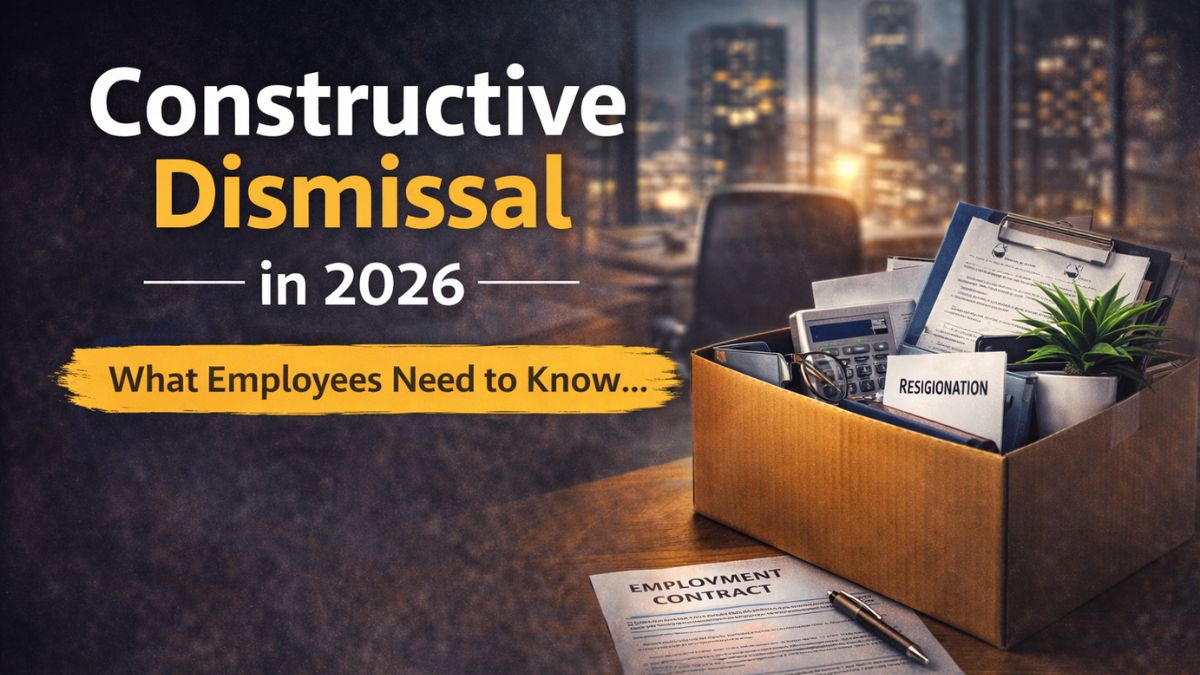

Jimi never intended to leave his job. After five years of steady performance and solid reviews, he was a valued member of his team. Everything changed the moment he reported wage irregularities.
Suddenly, his hours were cut, key responsibilities were reassigned, and minor mistakes became a constant source of criticism. Meetings he once led excluded him, and the workplace that had once felt secure now felt hostile.
Three months later, exhausted, mentally drained, and worried about paying his bills, Jimi resigned. On paper, it was a voluntary resignation — but legally, it raises an important question: Was it truly voluntary, or was he effectively forced out?
This is the essence of constructive dismissal (also called constructive discharge)—a situation where intolerable working conditions leave an employee with no choice but to quit, and the law may treat it as a termination. Understanding this distinction is crucial, particularly in cases of retaliation, discrimination, or wrongful termination.
What Constructive Dismissal Actually Means
Constructive dismissal occurs when an employer doesn’t directly fire an employee but makes the working conditions so unbearable that resignation becomes the only reasonable option.
It’s important to note that courts do not consider ordinary workplace stress, minor frustrations, or occasional conflicts as constructive dismissal. The legal standard is high.
The key question is: Would a reasonable person in the same situation feel they had no real choice but to resign?
It’s not about being merely uncomfortable or unhappy—it’s about working conditions that are truly intolerable. In simple terms, it’s when staying at the job feels more damaging than leaving it.
The Legal Framework Behind Constructive Dismissal

Constructive dismissal claims often arise in connection with discrimination, harassment, retaliation, or major pay reductions.
For example, if an employee reports harassment and management fails to act—or even retaliates—the employee’s resignation may be legally treated as a termination.
- Federal anti-discrimination laws, enforced by the Equal Employment Opportunity Commission (EEOC), recognize constructive discharge as a form of unlawful termination. In other words, the law recognizes that a resignation is not always truly voluntary.
- Retaliation protections under wage and labor laws, enforced by the U.S. Department of Labor, may apply if an employee is pushed out after asserting legal rights.
However, proving constructive dismissal is generally more difficult than proving a direct firing.
What Courts Look For

When evaluating a constructive dismissal claim, courts focus on both the severity and duration of the conditions. They typically consider factors such as:
- Significant pay cuts
- Demotions or removal of key responsibilities
- Hostile, abusive, or threatening treatment
- Threats of termination
- Forced transfers to inferior positions
Minor conflicts, personality clashes, or everyday workplace stress do not qualify. The standard is intentionally strict. The conditions must show a substantial deterioration of the work environment, making continued employment objectively intolerable.
Major Pay Reduction
Consider a sales manager earning $90,000 per year. After filing a discrimination complaint, the company removes key client accounts and cuts the employee’s compensation to $45,000 without explanation.
Technically, the employee is still employed — but losing half of their income overnight can make continued employment financially impossible. Courts often view significant compensation cuts as strong evidence that the employee was effectively forced to resign.
Hostile Work Environment Ignored
An employee reports ongoing harassment. Management dismisses the complaints and isolates the employee. Coworkers begin excluding them from team activities, and supervisors assign impossible deadlines.
After months of sustained hostility, the employee resigns. If evidence shows that management knew about the harassment and failed to act, the resignation may be legally considered a constructive discharge.
The Timing Factor
Timing can strengthen a constructive dismissal claim. If severe changes—such as pay cuts, demotions, or harassment—occur shortly after the employee engages in protected activity (e.g., reporting discrimination or requesting leave under the Family and Medical Leave Act), courts will examine employer motives closely.
However, timing alone is insufficient. The context and severity of what happened still matter most. The working conditions must be objectively intolerable to establish constructive dismissal.
Emotional vs. Legal Reality
Employees often feel pushed to quit due to stress, unfair treatment, or a hostile work environment. However, courts apply an objective standard when evaluating constructive dismissal claims.
To succeed legally, the employee must demonstrate that a reasonable person in the same situation would have felt compelled to resign. Personal frustration, while real and valid, is not enough to meet the legal threshold.
This gap between the emotional experience of the employee and the legal standard is where many constructive dismissal claims fail.
Why Employers Don’t Use the Term “Resignation Pressure”
Companies rarely tell employees to quit outright. Instead, they may employ subtle strategies, such as:
- Reducing responsibilities
- Changing schedules drastically
- Increasing scrutiny on minor mistakes
- Creating documentation of trivial issues
If done intentionally, this approach allows employers to avoid direct termination, which could trigger legal scrutiny. However, courts focus on substance over wording. If an employee was effectively coerced into resigning, the resignation may be legally treated as a termination.
Documentation Is Everything
Constructive dismissal claims often hinge on clear evidence. Important documentation can include:
- Emails or messages showing hostility
- Sudden negative performance evaluations after years of strong reviews
- Internal communications revealing retaliatory intent
Without proper documentation, proving that working conditions were intolerable becomes difficult. Unfortunately, many employees only realize this after they’ve already resigned. Because resignations are technically voluntary on paper, the burden of proof is higher for employees pursuing a constructive dismissal claim.
How Do You Actually Prove Constructive Dismissal?
Constructive dismissal cases are often more difficult to prove than direct terminations. When someone is fired, there is a clear termination date, paperwork, and a decision-maker. With constructive dismissal, the employee technically resigns, making it appear voluntary on paper.
Because of this, the burden of proof shifts heavily onto the employee. Courts typically require proof of two key elements:
- Objectively Intolerable Working Conditions – Conditions must be severe enough that a reasonable person would feel forced to resign.
- Employer Intent or Knowledge – The employer either intended to force the resignation or knew the conditions were intolerable and failed to remedy them.
Intent can be direct or indirect:
- Direct evidence: Statements such as, “If you don’t like it, you can leave.”
- Indirect evidence: Drastic demotions, severe pay cuts, or retaliatory actions following protected activity.
Without evidence demonstrating severity and intent, most constructive dismissal claims fail.
Should You Resign Immediately?
Timing is a critical practical consideration. In many cases, courts expect employees to give the employer a reasonable opportunity to correct the situation, especially in harassment or workplace misconduct cases.
- If harassment or unfair treatment occurs but no complaint is made internally, courts may question whether resignation was premature.
- In cases of severe retaliation or immediate safety concerns, resigning without delay may be justified.
Every situation is fact-specific. What feels urgent in the moment may look different in a courtroom months later. Documenting complaints, keeping records of hostile actions, and giving the employer a chance to respond can significantly strengthen a potential constructive dismissal claim.
Filing a Claim After Constructive Dismissal
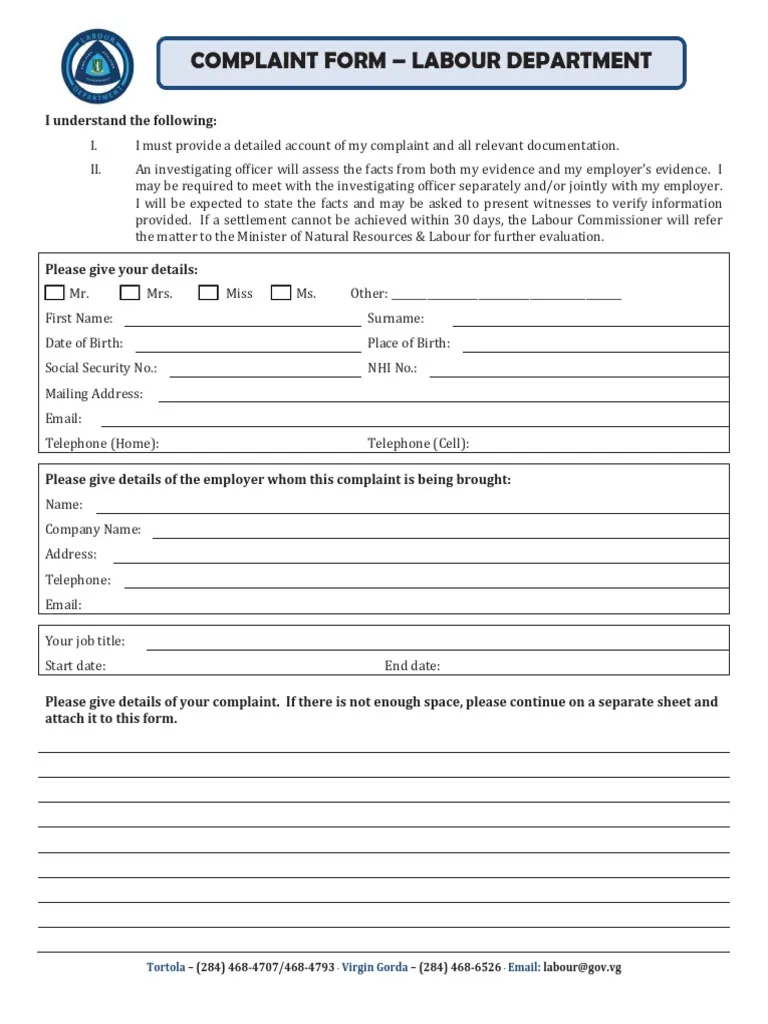
If a constructive discharge is based on discrimination or retaliation, employees generally must file a charge with the Equal Employment Opportunity Commission (EEOC) before pursuing a lawsuit.
- Deadlines are strict: In many states, you have 180 days from the resignation date; in others, it may extend to 300 days.
- For issues involving unpaid wages or retaliation related to wage complaints, claims may also involve the U.S. Department of Labor.
- The resignation date is typically treated as the termination date for filing purposes.
Missing these deadlines can permanently bar recovery, so prompt action is critical.
Damages in Constructive Dismissal Cases
If a court finds that a constructive discharge occurred, it is treated similarly to wrongful termination, and employees may be entitled to a variety of remedies, including:
- Back pay for lost wages
- Front pay if reinstatement is not feasible
- Compensatory damages for emotional distress in discrimination cases
- Punitive damages in cases involving extreme misconduct
- Attorney’s fees
However, if the court determines that the resignation was voluntary and not legally compelled, these damages may not be available. Meeting the legal threshold for constructive dismissal is therefore crucial for a successful claim.
Employer Defenses
Employers facing a constructive dismissal claim often raise several defenses:
- Normal workplace conflict: Arguing that conditions were not intolerable but part of everyday workplace dynamics.
- Legitimate performance concerns: Presenting documentation showing valid issues with the employee’s performance.
- Failure to follow internal procedures: Claiming the employee did not use company complaint or grievance channels.
- Reasonable person standard: Asserting that no reasonable person in the same situation would have felt compelled to resign.
Courts carefully examine whether the conditions were severe enough to justify quitting. General dissatisfaction, personality conflicts, or micromanagement alone typically do not qualify as constructive dismissal.
Failed Constructive Discharge Claim
An employee dislikes a new supervisor’s management style. The supervisor increases performance oversight and requires weekly reports. Feeling stressed, the employee resigns.
Without evidence of harassment, discrimination, or major pay reduction, courts are unlikely to find constructive dismissal. Unpleasant management or stricter oversight alone is not sufficient to meet the legal standard.
Successful Constructive Discharge Claim
An employee reports sexual harassment. The company fails to investigate properly. Instead, the employee is reassigned to a less desirable shift, loses client access, and is subjected to ongoing hostile comments.
After repeated complaints with no resolution, the employee resigns. In this situation, a court may find that the employer allowed intolerable conditions to persist. The resignation may be legally treated as a termination, supporting a constructive dismissal claim.
The Emotional Toll
Constructive dismissal cases often involve prolonged stress. Employees may face hostile work environments, financial pressure, and uncertainty long before resigning. Many describe feeling trapped — unable to stay, but afraid to leave.
The legal standard can feel harsh because courts separate the emotional experience of the employee from the objective legal threshold required for a claim. However, thorough documentation, internal complaints, and clear evidence of severe deterioration in working conditions can help bridge this gap and support a constructive dismissal claim.
Practical Steps Before Resigning

If you believe you are being pushed out, taking careful, strategic steps can strengthen your position:
- Document everything: Keep detailed records of incidents, communications, and changes in work conditions—preferably outside the company system.
- File internal complaints: Submit complaints in writing, following company policies and grievance procedures.
- Review company policies: Understand internal rules on harassment, retaliation, and reporting channels.
- Consult an employment attorney: Seek legal advice before resigning, if possible, to evaluate your options and protect your rights.
Resigning without proper documentation or following these steps may weaken a future constructive dismissal claim, so preparation is critical.
Speaking with an experienced employment attorney before resigning can significantly strengthen your position and help protect your legal rights.
Frequently Asked Questions
Is feeling stressed enough to claim constructive dismissal?
No. The legal standard requires objectively intolerable conditions, not general workplace stress or frustration.
Does a pay cut automatically qualify as constructive dismissal?
Not automatically. However, significant or drastic reductions in compensation may support a claim if they make continued employment intolerable.
Can I collect unemployment if I resigned?
Possibly. If your resignation qualifies as a constructive discharge, unemployment benefits may still be available, depending on state law.
How long do I have to file a constructive dismissal claim?
Deadlines vary by claim type and jurisdiction. For discrimination-related claims, employees often have 180–300 days from the resignation date to file with the EEOC or relevant state agency.
Can my employer argue I quit voluntarily?
Yes. Claiming that the resignation was voluntary is one of the primary defenses employers raise in constructive dismissal cases.
Does reporting harassment or discrimination strengthen my claim?
Yes. Courts often view resignation following protected activity—such as reporting harassment or discrimination—as stronger evidence of constructive dismissal, especially if the employer fails to address the issue.
What kind of evidence is most important in a constructive dismissal case?
Documentation such as emails, performance reviews, internal complaints, and witness statements showing intolerable working conditions is critical to support your claim.
Can minor conflicts or personality clashes be considered constructive dismissal?
No. Ordinary workplace conflicts, minor disagreements, or personality clashes do not meet the legal standard for constructive dismissal.
Do I need to resign immediately to claim constructive dismissal?
Not always. Courts may expect you to give the employer a reasonable opportunity to correct the situation, unless the circumstances involve severe retaliation, harassment, or immediate safety concerns.
Are attorney’s fees recoverable in constructive dismissal cases?
Often, yes. Many state and federal statutes allow employees to recover attorney’s fees if they prevail in constructive dismissal claims, particularly in cases involving discrimination or retaliation.
Conclusion
Constructive dismissal applies in situations where an employer avoids direct termination but effectively forces an employee to resign. It is not intended for ordinary workplace disagreements or minor frustrations.
The legal threshold is high because, on paper, the resignation appears voluntary. However, when working conditions become objectively intolerable—especially following protected activity such as reporting harassment, discrimination, or wage violations—the law may treat the resignation as a termination.
Understanding the difference between difficult work conditions and legally intolerable ones is crucial. Factors such as documentation, timing, and severity often determine the outcome of a claim.
When applied correctly, constructive dismissal law prevents employers from avoiding accountability by quietly forcing employees to resign.
For employees facing this situation, understanding your rights before resigning can make all the difference.